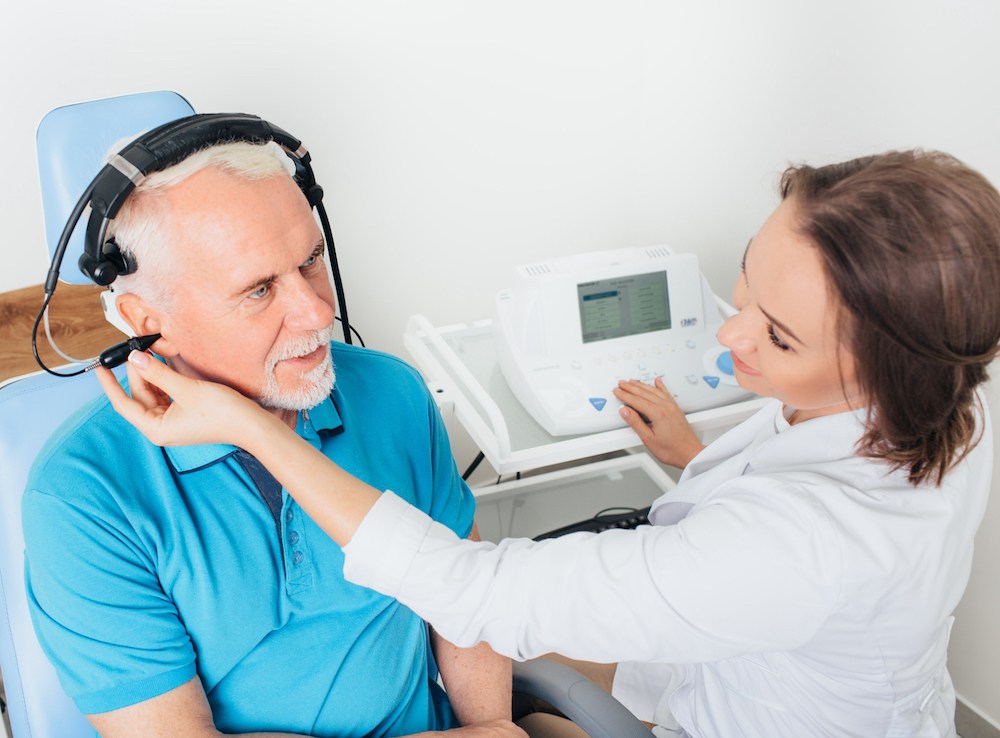
Cancer treatments such as chemotherapy and radiation are designed to target and destroy cancer cells, but they can also affect other parts of your body, including your hearing. These changes may be subtle, like a slight difference in how sounds are perceived or more noticeable in situations with background noise. Not everyone experiences hearing changes, but being aware of the possibility can help you recognize any issues early and seek appropriate care.

If hearing changes do occur during or after treatment, an audiologist can provide guidance and support based on your individual needs. Understanding how specific therapies may impact hearing allows you to discuss concerns with your healthcare team and monitor your auditory health alongside your recovery. Being aware of these potential effects helps ensure that any challenges are addressed promptly, supporting your ability to communicate effectively throughout the treatment process.

How Cancer Treatments Affect the Body in Different Ways

Cancer treatments can affect the body in many different ways, and hearing is sometimes one of the areas that can be impacted. Chemotherapy drugs may affect the inner ear or the auditory nerve, potentially leading to changes in how sounds are perceived. Radiation, depending on the area being treated, can also influence ear structures and hearing function. The effects can vary widely between individuals, with some noticing only minor changes and others experiencing more significant differences. Being aware of how treatments can interact with the auditory system helps you monitor your hearing and discuss any concerns with your healthcare team as part of your overall care.

How Hearing Loss Can Affect Communication and Daily Life

Hearing loss after cancer treatment can affect many aspects of daily living. You may find it more difficult to keep up with conversations, especially in places with background noise. This can sometimes lead to misunderstandings or the need to ask others to repeat themselves. You might also notice changes in how you enjoy music, watch TV or talk on the phone. These experiences can cause frustration and make social situations less enjoyable. Recognizing how hearing loss affects your daily life can help you find new ways to communicate and remain involved with the people and activities that matter to you.

Reasons Hearing May Change After Chemotherapy or Radiation

Changes in hearing after chemotherapy or radiation are often linked to how these treatments affect the delicate cells and nerves in your ears. Certain cancer medicines and radiation can damage the tiny hair cells inside the inner ear or affect the nerves that help you hear. This may lead to hearing loss, ringing sounds or balance problems. Knowing about these possible effects gives you the chance to mention any new symptoms early, which helps protect your ability to communicate and stay active.

Noticing Signs of Hearing Changes Following Treatment

Being aware of changes in your hearing has both advantages and challenges. Early attention can help you get support sooner, but it may also bring feelings of stress as you adjust. Staying alert to small differences, like missing parts of conversations or needing to ask others to repeat themselves, helps you address concerns quickly with your audiologist.

How Certain Chemotherapy Drugs Can Cause Hearing Loss

Some chemotherapy drugs are known to affect hearing. These medicines can damage the tiny hair cells in your inner ear that are essential for clear hearing. When these cells are harmed, you might notice changes in your ability to hear or start to experience ringing sounds. If you are receiving these medicines, it is important to pay attention to any changes in your hearing so you can act early to protect your hearing health.

Ways Radiation Therapy Might Impact Your Ability to Hear

Radiation therapy may sometimes affect your hearing, especially if the treatment area is near your head or neck. The ears are sensitive, and radiation can change how they function. You might notice a feeling of fullness in your ears, muffled sounds or ringing noises. In some cases, radiation may cause fluid buildup or changes in the middle and inner ear that make it harder to hear. These effects can influence your ability to follow conversations or enjoy sounds you care about.

The Importance of Family and Social Support

Support from family and friends is valuable when dealing with hearing changes after cancer treatment. Loved ones can help by speaking clearly, being patient and making sure you feel included in conversations. They can also help you remember appointments with your audiologist and encourage you to share any concerns.

Social support makes it easier to adjust to changes and find solutions that fit your needs. Open communication with those around you helps everyone work together to support your well-being and reduce feelings of isolation.

Knowing When to Get Help for New or Worsening Hearing Issues

Recognizing when to seek help for new or worsening hearing issues is important during and after cancer treatment. Some people may feel unsure about what counts as a real concern, but waiting too long can make things more difficult. If you notice any of these signs, consider reaching out to an audiologist:

  • Difficulty understanding conversations, especially in noisy places.
  • Needing to turn up the TV or radio louder than before.
  • Hearing ringing or buzzing sounds that were not present before.
  • Feeling like sounds are muffled or distant.

Practical Steps to Protect and Check Your Hearing After Cancer Treatment

There are practical steps you can take after cancer treatment to help protect your hearing and monitor for any changes. Consider these actions:

  • Schedule regular hearing checks with an audiologist.
  • Use ear protection in loud environments like concerts or when using power tools.
  • Keep the volume at safe levels when listening to music or watching TV.
  • Inform your audiologist right away if you notice any new changes in your hearing.

Staying Informed About Hearing Health After Cancer Treatment

Hearing changes after chemotherapy or radiation can be unexpected, but staying informed and alert helps you manage your health more effectively. If you notice differences in your hearing during or after cancer treatment, taking early action is key. Regular hearing checks and open communication with an audiologist supports better outcomes and help you remain connected to what matters most.

If you have questions about hearing changes related to cancer treatment or need guidance on next steps, schedule an appointment with an audiologist. Personalized advice and timely support can make it easier to manage new challenges, protect your hearing health and maintain your quality of life during recovery.