Communicating with someone who has hearing loss often requires a different approach, especially in busy or noisy places. Everyday conversations can become more difficult, and it is easy for misunderstandings to occur.

Many people do not realize how much they rely on subtle sounds and visual cues during normal speech. When these cues are missed, both you and the person with hearing loss can feel frustrated.

Using practical communication strategies, you can make conversations clearer and more enjoyable for everyone involved. Being thoughtful about how you communicate supports those around you who experience hearing loss.

How Hearing Loss Can Change Everyday Conversations

Hearing loss can subtly change the way everyday conversations are experienced. Words may sound less clear, especially when several people are talking or when there is background noise.

You might catch parts of a sentence but miss key details, which can make it harder to follow along or respond confidently. Over time, conversations that once felt easy may require more focus and effort, even in familiar settings.

These changes can also affect how people interact socially. You may find yourself asking others to repeat themselves or relying more on visual cues like facial expressions and body language.

Some individuals begin to speak less in group situations because keeping up feels challenging. While these shifts are often gradual, they can influence how comfortable and connected conversations feel.

Recognizing these changes can help you better understand your communication needs and decide when additional support may be helpful.

Noticing Signs of Hearing Loss While Talking with Others

Noticing changes in hearing often starts during everyday conversations. You might find yourself asking people to repeat what they said more often, especially when they speak quickly or turn their head away.

Certain words may sound unclear or seem to blend together, making it harder to follow what should be a simple exchange. These moments can feel minor at first, but they can add up over time and make conversations feel more tiring or frustrating than they used to be.

Group conversations can make these changes even more noticeable. When several people are talking at once, it may be difficult to keep track of who is speaking or catch everything being said.

You might miss parts of jokes, stories or important details, even when you are paying close attention. This can cause you to stop joining conversations in social settings, especially in noisy places where background sounds compete with voices.

Selecting Quiet Spaces to Help Communication

Choosing quieter spaces can make a noticeable difference when communicating with someone who has hearing loss. Areas with less background noise, like smaller rooms, private corners or places away from traffic and loud music, allow voices to come through more clearly.

Restaurants with soft seating and lower ceilings are often easier for conversation than large, open spaces with hard floors. At home, turning off the television or moving away from running appliances can also help reduce competing sounds.

These simple choices create a more comfortable setting for conversation and make it easier for everyone to stay focused on what is being said.

Positioning Yourself for Better Communication

Where you position yourself matters. Try to sit or stand so your face is well-lit and easy to see. Avoid being in front of bright windows or in dim lighting, as this can make it difficult for the other person to read your lips or see your facial expressions.

Being at the same eye level also helps create a comfortable environment for both people. Good positioning allows visual cues like lip movements and gestures to be seen clearly, which supports better understanding.

Speaking Clearly and Using Simple Words for Better Understanding

Clear speech can make a noticeable difference when talking with someone who has hearing loss. Speaking at a natural volume helps more than whispering or raising your voice, since both can distort sounds and make words harder to understand.

Using shorter sentences and simple word choices also helps keep conversations easier to follow, especially when there is background noise or the topic changes quickly. Taking a brief pause between ideas gives the listener time to process what was said without feeling rushed.

These small adjustments support smoother conversations and reduce the effort it takes for both people to stay engaged.

Supporting Communication with Facial Expressions and Gestures

Facial expressions and gestures play an important role in making your message clear.

Smiling, nodding or using your hands to point or show size can help communicate your thoughts more effectively. These visual cues provide extra information that words alone may not deliver.

Try these methods to support your conversations:

  • Face the person so they can see your mouth and expressions.
  • Use hand signals or point to objects when explaining something.
  • Smile, nod or raise your eyebrows to show feelings or reactions.

Ways to Get Attention Before You Start Speaking

Before starting a conversation, it helps to get the other person’s attention, especially if they have hearing loss. This step ensures they are ready to listen and can focus on what you are saying, which reduces the chance of missing important words.

You can get someone’s attention by gently tapping their shoulder, waving your hand or saying their name before you start speaking. Making eye contact is also a helpful way to signal that you want to talk. These actions show respect and help set up a better conversation for everyone.

Building Stronger Connections Through Clear Communication

Supporting someone with hearing loss during conversations can have a positive impact on daily life.

Simple changes like choosing quiet spaces, speaking clearly and using gestures help everyone feel more included and less frustrated. These strategies are easy to use at home, work or social events and can strengthen your connections with friends and family.

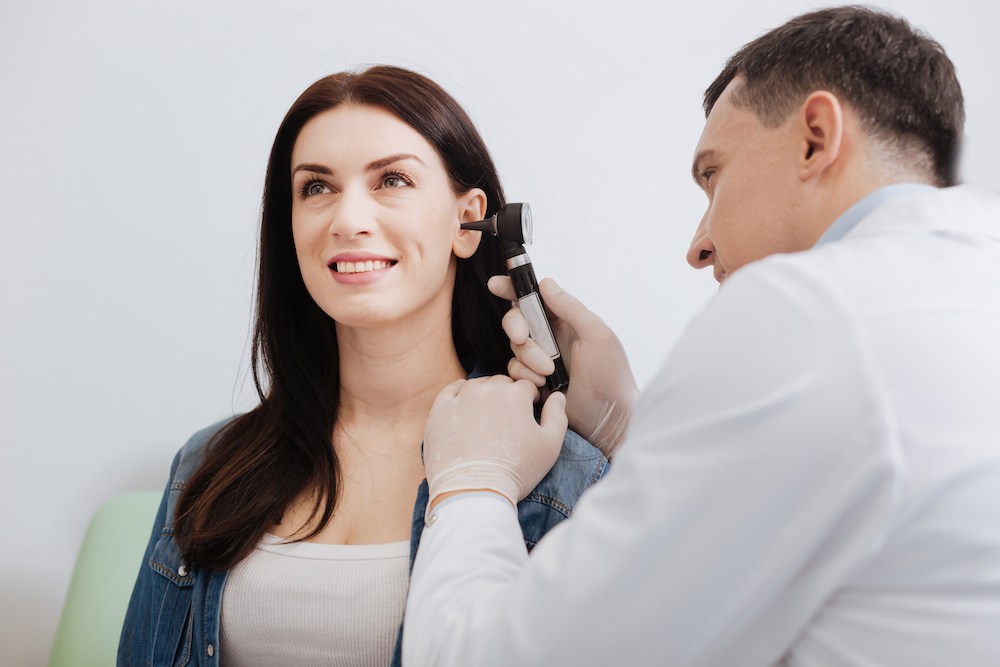
If you continue to notice challenges during conversations or often miss parts of what is being said, schedule an appointment with an audiologist. They can provide guidance on effective communication strategies and discuss options that fit your needs. They can help you find practical ways to support those around you in everyday conversations.