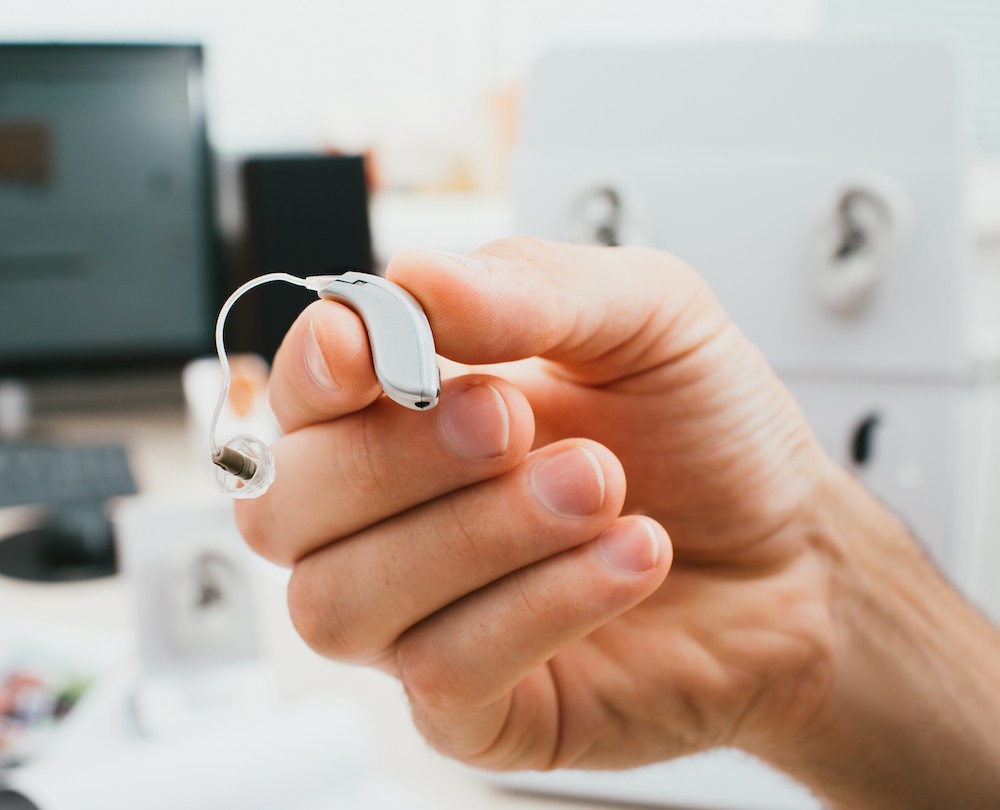
Choosing a hearing aid can feel confusing when you start hearing terms like channels and processing power. These words sound technical, but they affect how well you hear in everyday life.

When you understand what these features do, it becomes easier to decide whether a basic device is enough or if a more advanced one might fit your needs. Instead of choosing only by brand, you can focus on how the technology inside the hearing aid will affect conversations with family, time in busy restaurants or watching TV at home.

What Hearing Aid Channels and Processing Power Actually Do

Hearing aid channels and processing power work together to improve how you hear in different environments. Channels refer to the separate frequency ranges that a hearing aid can adjust individually.

More channels allow the device to fine-tune sounds across low, mid and high frequencies, which can make speech clearer and background noise less distracting. This helps you focus on conversations even in busy or noisy settings.

Processing power determines how quickly a hearing aid can analyze sounds and apply adjustments in real time. A hearing aid with stronger processing can handle complex listening situations more efficiently, like filtering out overlapping noises or enhancing soft speech.

Channels and processing power allow the device to deliver a more natural and comfortable listening experience, adapting to your environment so you can hear clearly without extra effort.

How Hearing Aid Channels Adjust Sound for Different Pitches

Hearing aid channels work by separating incoming sound into different frequency ranges, allowing each range to be adjusted individually. This means that low, mid and high-pitched sounds can be amplified differently based on your hearing needs.

Targeting specific pitches, hearing aids can make speech clearer, reduce background noise and ensure that important sounds are more audible without making everything too loud at once.

The number of channels in a hearing aid affects how precisely it can adjust sound. More channels allow for finer control, so subtle differences in speech and environmental sounds can be enhanced while less important noise is minimized.

This customization helps you hear conversations, music and everyday sounds more naturally, making listening easier and more comfortable throughout your day.

Why Having More Channels is Not Always Better for Your Hearing

Having more channels in a hearing aid does not automatically mean better hearing.

While additional channels allow for more precise adjustments, they can also make the device more complex to program and fine-tune. Too many channels can amplify unnecessary background noise or create a sound that feels unnatural.

Finding a hearing aid with the right number of channels for your specific hearing loss and listening needs, rather than assuming more is always better.

Matching Hearing Aid Channels and Power to Your Daily Activities

Choosing the right hearing aid involves matching the number of channels and the device’s power to the situations you encounter every day. Different environments and activities place different demands on your hearing and selecting a hearing aid that fits your lifestyle can make listening easier and more comfortable.

Some factors to consider include:

  • The types of places you spend the most time, like quiet offices or busy restaurants.
  • How often you need to follow conversations in group settings.
  • Your exposure to background noise, like traffic or machinery
  • Whether you listen to music, watch TV or take part in outdoor activities.

Questions to Ask Your Audiologist About Technology Levels

When considering a hearing aid, it can be helpful to ask your audiologist about different technology levels and what they mean for your everyday listening. Questions might include how the device handles background noise, whether it adjusts automatically in different environments and how many channels or programs it offers.

You can also ask about connectivity features, battery life and how the hearing aid can be customized to your specific hearing loss. These details help you make an informed choice and ensures that the technology you select fits your lifestyle and listening needs.

Practical Steps to Find the Right Balance of Hearing Aid Features for You

Finding the right balance of hearing aid features starts with understanding your own listening needs and daily routines. Consider the environments where you spend the most time, like quiet offices, busy restaurants or outdoor settings and think about which sounds are most important to you.

Matching features like the number of channels, noise reduction capabilities and connectivity options to these situations helps ensure your hearing aid supports you without overcomplicating your experience.

It also helps to test different devices under real-life conditions whenever possible. Many audiologists offer trial periods or demonstrations so you can experience how the hearing aid performs in various settings.

Taking note of comfort, sound clarity and ease of use during these trials gives you practical insight into which features matter most. With professional guidance and hands-on experience, you can choose a hearing aid that meets your needs while keeping everyday listening simple and effective.

Choosing Hearing Aid Technology That Fits Your Everyday Life

When you know how these features affect speech clarity, comfort in noise and how natural things sound, it becomes easier to choose technology that fits your life instead of relying only on labels or numbers. Your devices should match how you spend your days, whether that means quiet time at home, busy work settings or active social events.

If you are thinking about new hearing aids or wondering whether your current ones are set up well for you, schedule an appointment with an audiologist. Bringing questions about channels, processing power, noise reduction and your daily listening needs helps keep the visit focused on what matters most to you.

A careful review of your hearing test results and real-life routine can guide which technology level makes sense for both your ears, so your hearing aids work with your everyday needs.