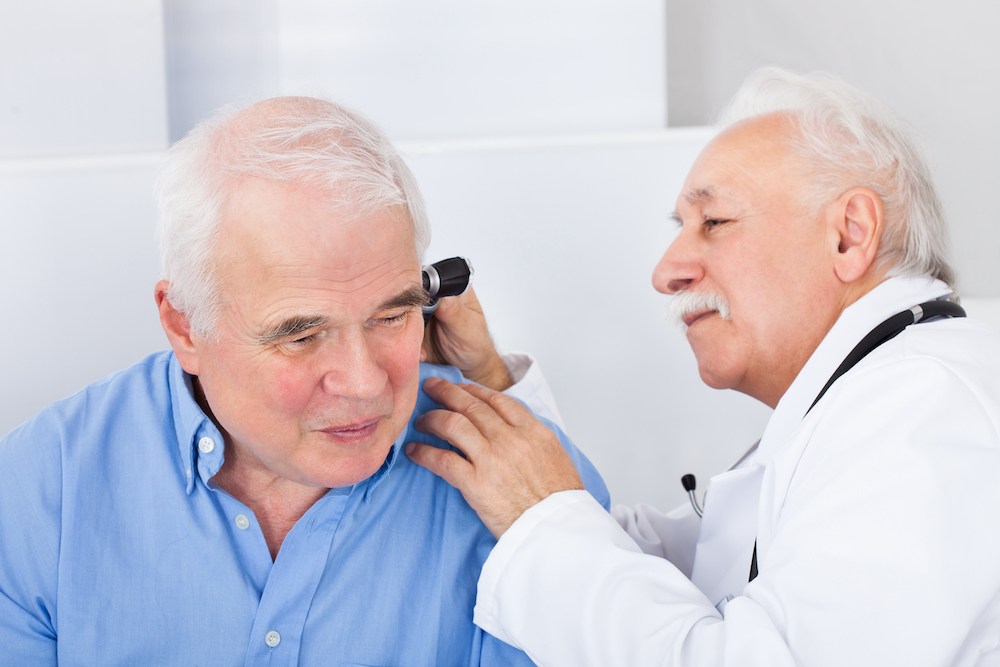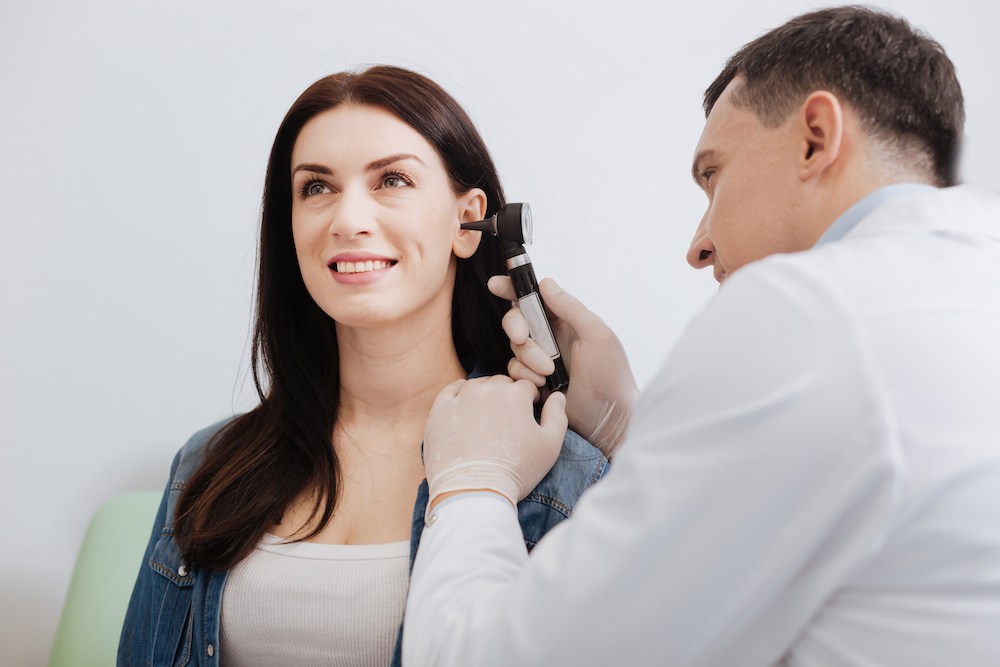
Advances in hearing test technology are changing the way hearing is assessed, making tests more accurate and easier to fit into everyday life. In the coming years, people can expect testing to be more personalized, with results that reflect their unique hearing patterns and needs.

These improvements can make the process more convenient and provide a clearer understanding of hearing health, helping individuals make informed decisions about care. Staying aware of these changes allows people to approach hearing tests with confidence and choose options that best support their personal hearing goals.

Changes in Hearing Tests Throughout the Years

Hearing tests have come a long way over the years, moving from basic methods to more precise and detailed assessments.

Early tests often relied on simple tones or conversational checks, which gave a limited picture of a person’s hearing. Today, technology allows audiologists to measure hearing across a wider range of frequencies and environments, providing a more complete understanding of how someone hears in daily life.

These changes have made hearing tests faster, more comfortable and more accurate for individuals. Modern tests can also be adapted to fit individual needs, helping people get results that reflect their specific hearing patterns. This helps individuals understand why keeping up with regular assessments matters for their hearing health.

Technology Advancements Improving Hearing Test Accuracy

Advancements in technology have made hearing tests more accurate than ever before. Modern equipment can measure subtle differences in how each ear responds to a wide range of sounds, giving a clearer picture of a person’s hearing. These improvements help audiologists identify even mild changes early, which can make a big difference in planning care or treatment.

For individuals, more precise testing means results that reflect their actual hearing needs and provide a stronger foundation for any next steps.

Options for Remote and at Home Hearing Testing

Remote and at-home hearing testing is becoming a more common option, offering convenience for people who may find it difficult to visit a clinic.

These tests use digital tools and apps to measure hearing in a comfortable environment, often allowing individuals to complete assessments on their own schedule. While they do not replace in-person evaluations, they can provide valuable insights and help people track changes in their hearing over time.

At-home and remote testing also gives audiologists more flexibility in supporting individuals. Results can be shared electronically, allowing audiologists to review data and recommend next steps without requiring multiple office visits. For individuals, this approach can make hearing care more accessible, reduce travel time and provide a clear understanding of their hearing health from the comfort of home.

How Mobile Apps Are Used in Screenings

Mobile apps are increasingly being used to screen for hearing changes, making it easier for people to check their hearing on their own.

These apps typically play a series of tones or speech sounds and record how well you respond, giving an initial indication of your hearing. While they don’t replace a full evaluation by an audiologist, they can help identify potential concerns early and encourage people to seek further testing if needed.

Using mobile apps for hearing screenings also allows for regular monitoring over time. People can track patterns, notice changes and share results with their audiologist for a clearer understanding of their hearing health. This approach makes hearing care more accessible and gives individuals a practical way to stay informed about their hearing between professional appointments.

Artificial Intelligence (AI) and Its Impact on Hearing Assessments

Artificial intelligence is changing how hearing assessments are performed, making tests faster and more personalized.

AI systems analyze patterns in hearing responses to detect subtle changes that might be missed with traditional testing. This allows audiologists to get a clearer understanding of a person’s hearing and recommend solutions that better fit individual needs.

AI can also make hearing assessments more convenient, potentially allowing some tests to be done remotely or through mobile devices. As these tools improve, people may be able to monitor their hearing over time and identify changes early, even before noticeable problems appear.

Early Detection Benefits with New Testing Methods

New testing methods make it easier to detect hearing changes earlier than ever before. Catching these changes in their early stages can help people take steps to protect their hearing and address issues before they become more serious.

Early detection also gives audiologists more information to recommend treatments or adjustments that fit individual needs. Overall, these advances make it possible to manage hearing health more proactively.

What Happens During a Digital Hearing Test Experience

During a digital hearing test, you typically sit in a quiet space while wearing headphones that deliver a range of sounds at different volumes and frequencies.

The test measures how well you hear each sound, and the results are recorded digitally for precise analysis. Some tests may include interactive tasks, like pressing a button when you hear a tone, to help capture detailed information about your hearing.

The digital format allows results to be processed quickly and shared with your audiologist in real time. This can make it easier to spot patterns or changes that might not be obvious in a traditional test.

Why is Regular Hearing Monitoring Important?

Regular hearing monitoring is important because it helps track changes in your hearing over time, even before you notice any problems. Early detection allows you to address issues sooner, whether that means adjusting your environment, using protection or exploring treatment options.

Keeping a consistent check on your hearing also gives your audiologist more accurate information to guide recommendations. Staying aware of your hearing health helps prevent small issues from becoming bigger challenges down the line.

Looking Ahead at Hearing Test Innovations

Hearing tests are changing quickly, offering more accurate results and easier ways to check your hearing than before.

With new technology like digital tools, at-home testing options and artificial intelligence, there are several options available to monitor your hearing health. Early detection is now possible with these advancements, which helps you take action sooner and protect your hearing for years to come.

If you have questions about the latest testing methods or want to know which option fits your needs, schedule an appointment with an audiologist. Staying informed about new developments in hearing tests gives you the best chance for healthy hearing now and in the future.